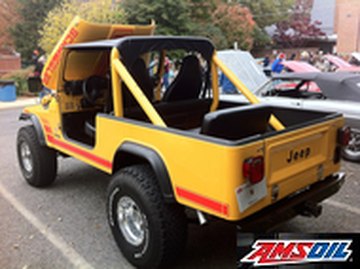
Engine Oil Maintenance for the 1983 Jeep Scrambler 4.2L
Maintaining the lubrication system of a vintage vehicle requires consistent attention to fluid quality and inspection intervals. For owners of the 1983 Jeep Scrambler equipped with the 4.2L engine, using the correct oil viscosity is a fundamental step in routine engine care.
What oil does my 1983 Jeep SCRAMBLER 4.2L take?
For this vehicle, the following 10W-30 options are listed: Signature Series 10W-30 Synthetic Motor Oil (ATMQT-EA), XL 10W-30 Synthetic Motor Oil (XLTQT-EA), and OE 10W-30 Synthetic Motor Oil (OETQT-EA).
Understanding Engine Oil Functions
Engine oil serves several critical roles within the internal components of a motor. Primarily, it provides a thin film between moving metal parts to reduce friction and prevent direct contact that leads to premature wear. Beyond lubrication, engine oil assists in thermal management by carrying heat away from high-temperature zones like pistons and cylinder walls toward the oil pan or oil cooler.
Additionally, oil acts as a cleaning agent. As it circulates through the engine, it picks up microscopic debris, soot, and combustion byproducts. These contaminants are then carried to the oil filter, where they are trapped to prevent them from recirculating through the sensitive internal components of the 4.2L engine.
Monitoring Oil Levels and Condition
Regularly checking the oil level is one of the simplest yet most effective maintenance tasks for any vehicle owner. A low oil level can lead to increased friction, overheating, and potential mechanical failure. It is recommended to check the dipstick when the engine is cool and parked on a level surface.
In addition to checking the volume, observe the physical condition of the oil. While oil will naturally darken over time due to the accumulation of combustion byproducts, extremely dark or gritty oil may indicate that the fluid has reached the end of its effective service life. If you notice any milky discoloration, this can be a sign of moisture or coolant entering the lubrication system, which requires immediate investigation.
The Role of the Oil Filter
The oil filter is a vital component in the lubrication circuit. Its purpose is to capture contaminants that the oil has collected during its circulation. If a filter becomes saturated with debris or if the bypass valve functions incorrectly, the engine may receive unfiltered oil, which increases the risk of abrasive wear on bearings and cylinder walls.
When performing an oil change, replacing the filter is a standard part of the process. Ensuring that the new filter is properly seated and that the gasket is lubricated before installation helps prevent leaks and ensures a proper seal under operating pressure.
Managing Oil Leaks
Older vehicles are more prone to developing leaks at various gaskets and seals. Common areas for oil seepage include the valve cover gaskets, oil pan gaskets, and rear main seals. Small "sweating" or minor weeping is common in older engines, but active drips or significant puddles under the vehicle indicate a leak that needs to be addressed.
A persistent leak does more than just create a mess; it can lead to a sudden drop in oil pressure if the volume lost exceeds the engine's ability to maintain a reserve. Regularly inspecting the underside of the engine and around the engine block can help identify these issues before they escalate into major mechanical problems.
Environmental Considerations for Oil Disposal
Used engine oil is a hazardous material that must be handled with care. Once the oil has been drained from the 4.2L engine, it should be collected in a clean, leak-proof container. Never pour used oil down drains, into soil, or into storm sewers, as this can cause significant environmental damage.
Most automotive parts retailers and local municipal waste facilities offer recycling programs for used motor oil. Utilizing these services ensures that the oil is processed safely and that the base components can potentially be reclaimed or disposed of according to environmental regulations.
BUYING ENGINE OIL
When you are ready to purchase lubrication for your vehicle, consult your owner's manual or manufacturer maintenance schedule to confirm all requirements. When selecting from listed products such as Signature Series 10W-30 Synthetic Motor Oil, XL 10W-30 Synthetic Motor Oil, or OE 10W-30 Synthetic Motor Oil, ensure the containers are sealed and that you are purchasing the correct viscosity for your specific application.